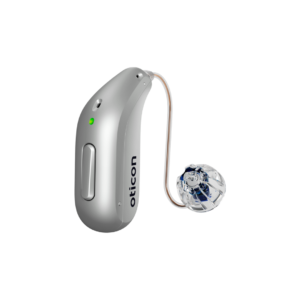
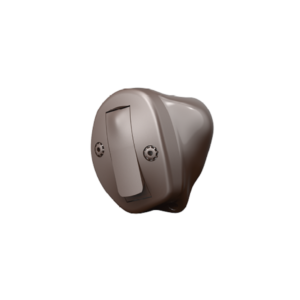
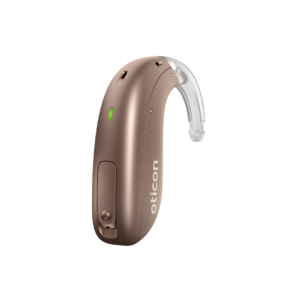
Your hearing aids work hard to keep you connected with life all day long. To keep them working at their best it is important that you look after them by keeping them cleaned and well maintained.
Your hearing aids contain powerful technology that keeps you hearing well and connected to life. While most hearing aids are pretty robust, to keep them working at their best it’s important to look after them regularly. How to keep your hearing aids clean depends on the type of hearing aid you have. Your audiologist will give you a personalised cleaning plan for your hearing aids, but here are some tips and reminders:
Hearing aids are a long-term investment, so to keep you hearing well over time it is essential that your hearing aids are maintained and updated regularly. Looked after well, by our expert staff, your hearing aids can be truly life-changing.
Your hearing aids are water resistant so they should be fine if you get caught in the rain, but take them out before swimming or showering.
It’s normally sensible to put your hearing aids in after you have got ready so that you don’t get makeup or hairspray on them.
Don’t use sharp objects like needles or pins to clean your hearing aids, use the tools that came with your hearing aids instead.
Don’t let anyone else use your hearing aids. They’re programmed specifically for your ears.
Don’t use strong cleaning products, such as alcohol wipes, on your hearing aids as this can damage them.
Don’t keep your hearing aids anywhere they will get too hot, like above a radiator.
If you use rechargeable hearing aids keep the hearing aids in the charger whenever you aren’t using them.
Keep your hearing aids in their box or pouch if you take them out and don’t have your charger to hand.

Hearing Assessment
A thorough assessment of your ear health, hearing levels and speech perception in quiet and in background noise
Children’s Hearing Services
We offer expert hearing care for children aged 4 years and above
Ear Wax Removal
Safe and effective ear wax removal by qualified professionals
Hearing In Noise
Discover our programme to improve your hearing performance in noise, whether you wear hearing aids or not
Tinnitus Support
Find out how we can help provide relief from intrusive tinnitus
Noise Protection
Custom earplugs and regular hearing assessments to ensure your ears are protected from noise damage
Other Resources
Visit our blog to read in-depth articles about a range of topics on hearing and hearing aids
Our Process
Find out how we work differently to make sure you are receiving the best results possible from your hearing aids.
Our Hearing Aids
Find out more about the makes and models of hearing aids available at Zest Hearing Care
Hearing Aid Aftercare
Maximise your hearing aid performance, even if you purchased them elsewhere
Hearing Aid Cleaning
Not sure how to maintain your hearing aids for best performance? Find out how here.
Hearing Aid Styles
Find out more about the different models of hearing aids available today
Hearing In Noise
Discover our programme to improve your hearing performance in noise, whether you wear hearing aids or not
Children’s Hearing Aids
We can help make sure your child’s hearing is maximised with the best hearing aids for their needs
Pricing
Find out about our hearing aid packages as well as our interest-free payment options
Other Resources
Visit our blog to read in-depth articles about a range of topics on hearing and hearing aids
Use a dry cloth to give your hearing aid a wipe all over.
Give the hearing aid a thorough check. If there are any more stubborn pieces of dirt or debris use the cleaning tools that came with your hearing aids to remove them.
Optional: Use a hearing aid wipe to give the hearing aid a deeper clean.
Change the wax filter on your hearing aids to make sure that is does not become blocked with wax. Some people need to do this step more frequently – if you find that your hearing aid sound is reduced, try changing the filter. It is not a problem to do it more often.
Change your domes to keep your hearing aids clean and comfortable. This is not required if you have custom moulds.
Use a dry cloth to give your hearing aid a wipe all over.
Give the hearing aid a thorough check. If there are any more stubborn pieces of dirt or debris use the cleaning tools that came with your hearing aids to remove them.
Optional: Use a hearing aid wipe to give the hearing aid a deeper clean.
Change the wax filter on your hearing aids to make sure that is does not become blocked with wax. Some people need to do this step more frequently – if you find that your hearing aid sound is reduced, try changing the filter. It is not a problem to do it more often.
Use a dry cloth to give your hearing aid a wipe all over.
Give the hearing aid a thorough check. If there are any more stubborn pieces of dirt or debris use the cleaning tools that came with your hearing aids to remove them.
Optional: Use a hearing aid wipe to give the hearing aid a deeper clean.
Clean the earmould – Remove the tubing from the behind-the-ear part of the hearing aid. Soak the earmould in luke-warm, soapy water for 30 minutes then rinse in clean water. Shake any excess water from the tubing then dry the earmould overnight and reattach to the hearing aid in the morning.
Every 3 months the tubing should be changed to prevent the sound becoming distorted as it shrinks and hardens with age.