
If you’re considering hearing aids, it’s likely that you’ve come across two main options in the UK: private hearing aids and NHS hearing aids. Both pathways have their advantages, but understanding the differences can help you make an informed decision based on your needs, lifestyle, and budget.
This article explores the differences between private and NHS hearing care, from the technology they offer to the level of service provided. Read on to get a clearer idea of which option is the best fit for you.
The Differences in Hearing Devices
Hearing aids are not one-size-fits-all devices. The differences in style, technology, and cost between private and NHS-supplied hearing aids can greatly impact your experience. Here’s a breakdown of what you can expect from each option:
Style
Private Hearing Aids
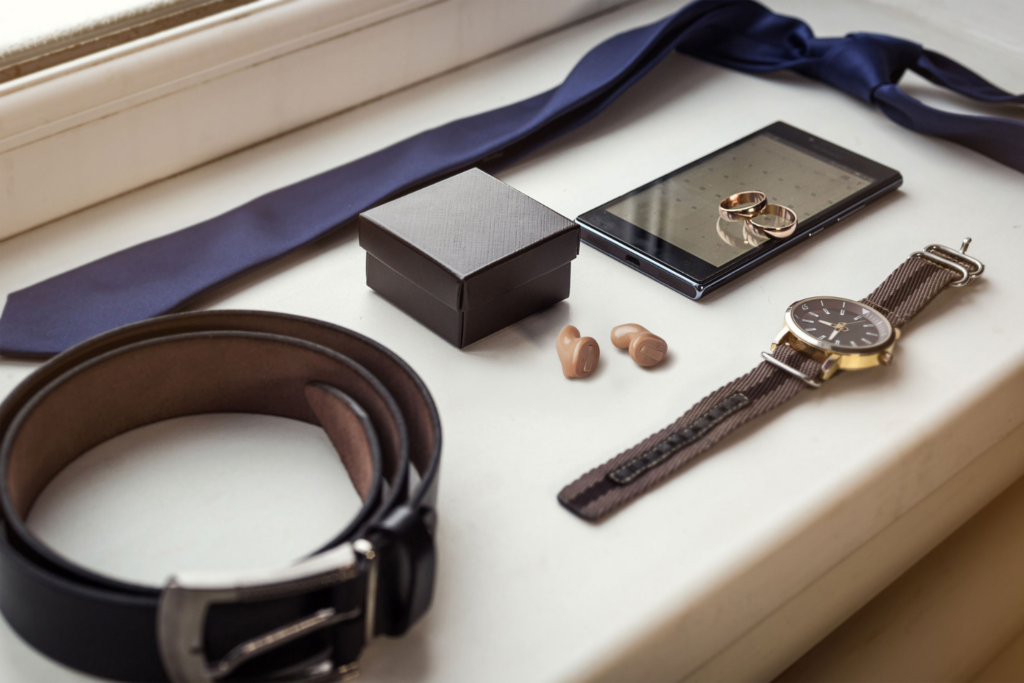
Hearing aids from private providers come in a range of shapes, sizes, colours and styles. This means that not only can they cater to personal preferences regarding aesthetics, but that if hearing aid comfort is a concern for you it is much more likely that a satisfactory solution can be found.
Private hearing aid styles include:
- Receiver-in-canal (RIC): These sit behind the ear, like the more traditional BTE style, however they are smaller, lighter and morediscrete. Unlike BTE hearing aids the speaker sits inside the ear canal in this style, providing an excellent quality of sound.
- Completely-in-canal (CIC) or Invisible-in-canal (IIC): These are virtually invisible as the device sits entirely inside the ear canal. They are perfect for patients who value absolute discretion, although they don’t provide the same sound quality as RICs.
- In-the-ear (ITE): This style of hearing aid sits fully in your outer ear. They are easy to handle for patients with visual or dexterity concerns, but are typically quite visible and can feel bulky for some patients.
- Behind-the-Ear (BTE): This style sits behind the ear with a tube connecting the device to a custom-moulded earpiece or dome. They are reliable and powerful, but patients often mention that they feel bulkier than other options.
All of these hearing aid styles are available in a number of colour options so that you can personalise your hearing aid appearance to your preference.
NHS Hearing Aids
NHS hearing aid departments typically only offer behind-the-ear (BTE) devices. These are visibly larger than the other styles of hearing aid and sit behind your ear, with a tube connecting the device to a custom-moulded earpiece or dome. While BTE aids are highly reliable and suitable for a wide range of hearing loss levels, patients often mention that they feel bulkier than other options.
NHS hearing aids are also often available in just one colour meaning that the hearing aids available near you may not match your hair or skin tone as well as you would like.
Sound Quality

Private Hearing Aids
Private hearing aids offer the most up to date technology, to provide patients with the best hearing outcomes both in quiet and in background noise.
Hearing aids do not simply amplify all sounds they detect, they make decisions constantly about whether a sound is important or not, which direction the important sounds are coming from, and what type of sound is being listened to. Once they’ve made those decisions they then respond to them to make sure that you can hear everything you want to hear, while working hard to suppress the annoyance of background noise.
The latest hearing aids from Oticon have a chip that is powerful enough to perform 3.5 billion operations every second, meaning clear and comfortable hearing whenever and wherever you need it.
NHS Hearing Aids
While the NHS also offers quality hearing aids, except in very specific cases the technology available on the NHS is generally several years old. For example, the current Phonak hearing aids used by the NHS are based upon the technology that was available in the private sector in 2018, while the current Oticon hearing aids used by the NHS are based upon technology that was available in the private sector in 2017.
While NHS hearing aids are by no means poor quality, the age of this technology means that they simply do not have the same ability as the newest private hearing aids to provide the best hearing outcomes possible.
Features
Private Hearing Aids
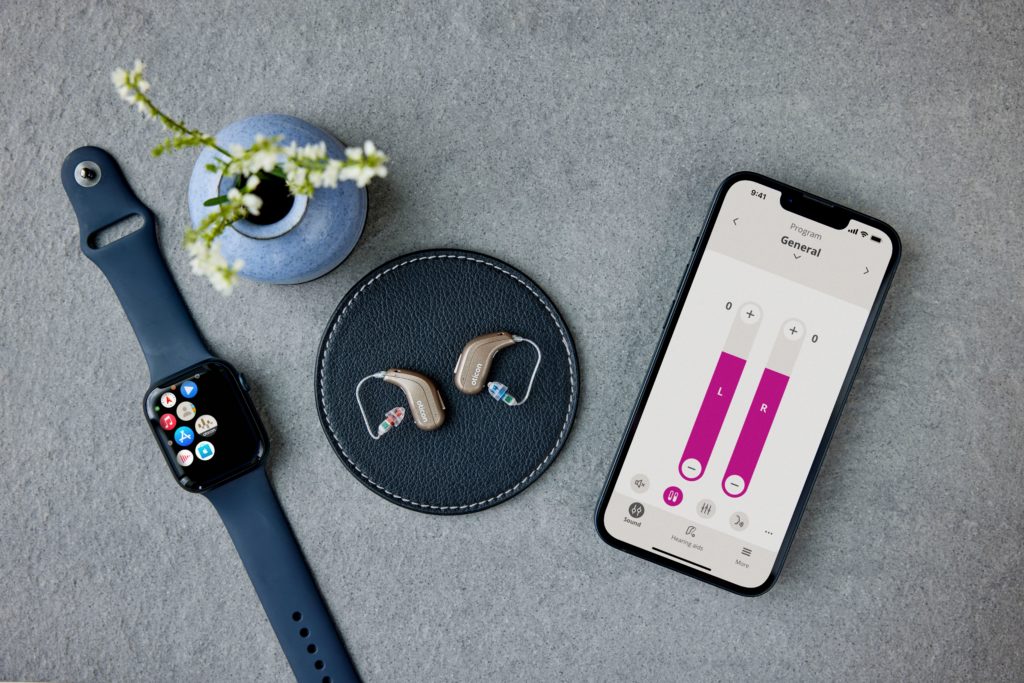
Private hearing aids feature cutting-edge innovations that are often unavailable on the NHS. These include:
- Rechargeable Batteries: Your hearing aids charge in a dock overnight so that they are always ready for the next day. No more worrying about having to change fiddly button batteries, or your hearing aids running out halfway through an important event.
- Bluetooth Connectivity: Many priivate hearing aids now allow you to pair your hearing aids with your smartphone so that you can stream phone calls, or music, straight to both ears. If you’ve ever struggled to understand someone on the phone this feature can be life changing!
- Artificial Intelligence: Most private hearing aids “thought processes” are now based upon AI – this means that they make more natural decisions about which sounds to focus on and which to suppress, making your hearing aids sound clearer and less artificial than ever before.
- Health Monitoring: Some hearing aids now feature additional sensors to help keep you as healthy as possible. For example, Starkey hearing aid have both the ability to count steps, and the ability to alert someone via text message if you have a fall.
NHS Hearing Aids
Some of the hearing aids that are being provided via the NHS are now available with bluetooth connectivity, although as the technology is older it isn’t as comprehensive as the newer private hearing aids and often does not work as well with some makes or models of smartphone. Other features, such as rechargeable batteries, are still not available as standard via the NHS.
Cost

Private Hearing Aids
Private hearing aid prices vary based on the company you buy them from as well as the specific make and model of hearing aids you choose. Wherever you choose to go, quality private hearing aids are likely to range from at least £1,000 to up to £3,000 per device. At Zest Hearing Care our hearing aid packages range from £2700 to £4500 for a pair of hearing aids.
The cost of private hearing aids includes not just the hearing aids themselves, but also the expert care required to make sure that they are performing at the very best of their ability and are fully customised for your hearing needs. Most hearing aid providers also offer ongoing aftercare and regular check ups as part of the cost of your hearing aids to ensure that they keep working well for as long as possible.
While private hearing aids are undoubtedly an investment, many providers offer interest free financing options to spread the cost.
NHS Hearing Aids
The most significant advantages of NHS hearing aids is that the hearing aids, as well as their maintenance, repairs, and batteries, are free of charge. If cost is the most important factor for you then NHS hearing aids are probably the best option.
The Differences in Service
The service you receive when obtaining and managing your hearing aids is just as important as the devices themselves, if not more so. Here’s what to consider:
Waiting Times
Private Hearing Aids
Private clinics typically offer much shorter waiting times. You may be able to book an appointment within a few days and receive your hearing aids within one or two weeks. For anyone eager to address their hearing loss quickly, this can be a significant advantage.
It is also important to look into how often an audiologist is available in your chosen private hearing clinic. Some clinics, particularly those run from eyecare premises, may have an audiologist available only once a week or once a fortnight. If you run into difficulties with your hearing aids this can lead to a frustrating wait before you are able to see them again to carry out the appropriate repairs or adjustments.
At Zest Hearing Care we are open four days per week, meaning that if you require a repair of your hearing aid, or simply have a question, we are able to see you within 48 hours.
NHS Hearing Aids
The NHS is under significant demand, leading to potentially long waiting times for appointments, hearing tests, and fitting sessions. Depending on your local area, you may have to wait several months to receive your hearing aids.
Once you have your hearing aids NHS audiology departments have the advantage that they are staffed every day of the week. However, some patients are finding that despite this the wait to obtain an appointment for repair or adjustment of their hearing aids can still be several weeks.
Appointment Lengths

Private Hearing Aids
Because private providers do not have the same pressures as the NHS their appointments tend to be longer. For example, at Zest Hearing Care we allow 90 minutes for a hearing assessment, meaning that we have time to perform valuable extra tests, as well as plenty of time for you to ask any questions you may have.
NHS Hearing Aids
Because of the number of patients seen by the NHS every year, as well as the financial pressures, appointment times tend to be relatively short. If you have a fairly typical hearing loss and have some awareness of hearing aids already this may not be a problem, but some people find that they prefer a more relaxed pace to make important decisions regarding their hearing health.
Continuity of Care
Private Hearing Aids
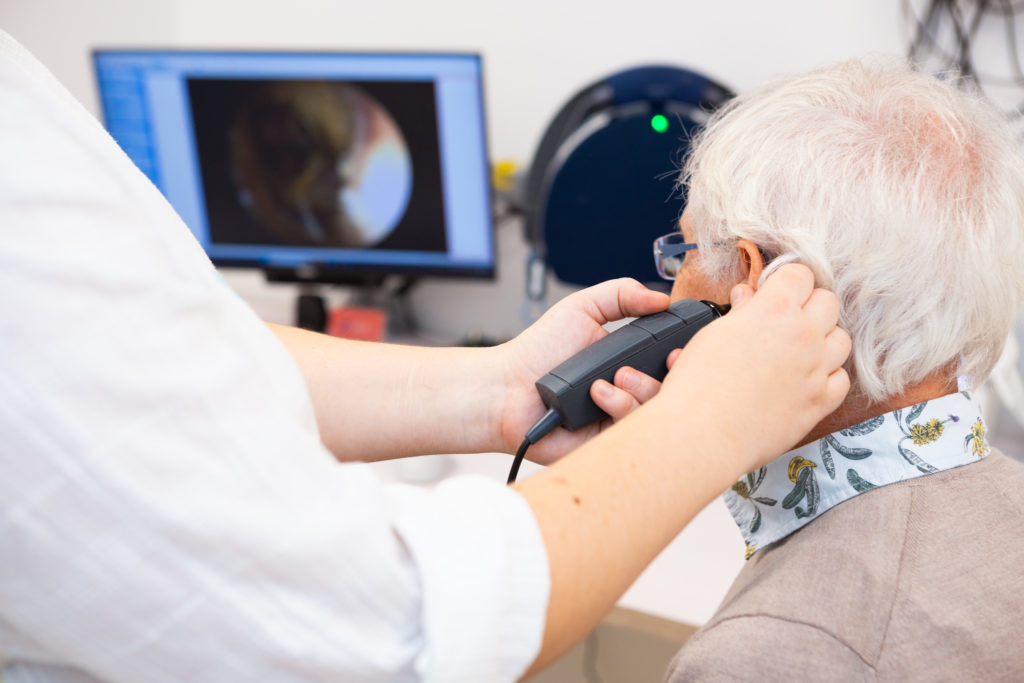
Private clinics often pride themselves on offering consistent, high-quality service. You’ll generally have a dedicated audiologist who gets to know you and your hearing needs, ensuring a tailored experience through every step—from fitting to follow-ups and long-term care.
NHS Hearing Aids
Continuity of care on the NHS may vary depending on factors such as your location and availability of audiologists. However, it is often the case that you will not see the same audiologist every time. This isn’t always a problem, however some patients report that when they have encountered problems with their hearing aids they have received differing advice from the various audiologists they have seen, which can lead to confusion or frustration.
Aftercare
Private Hearing Aids
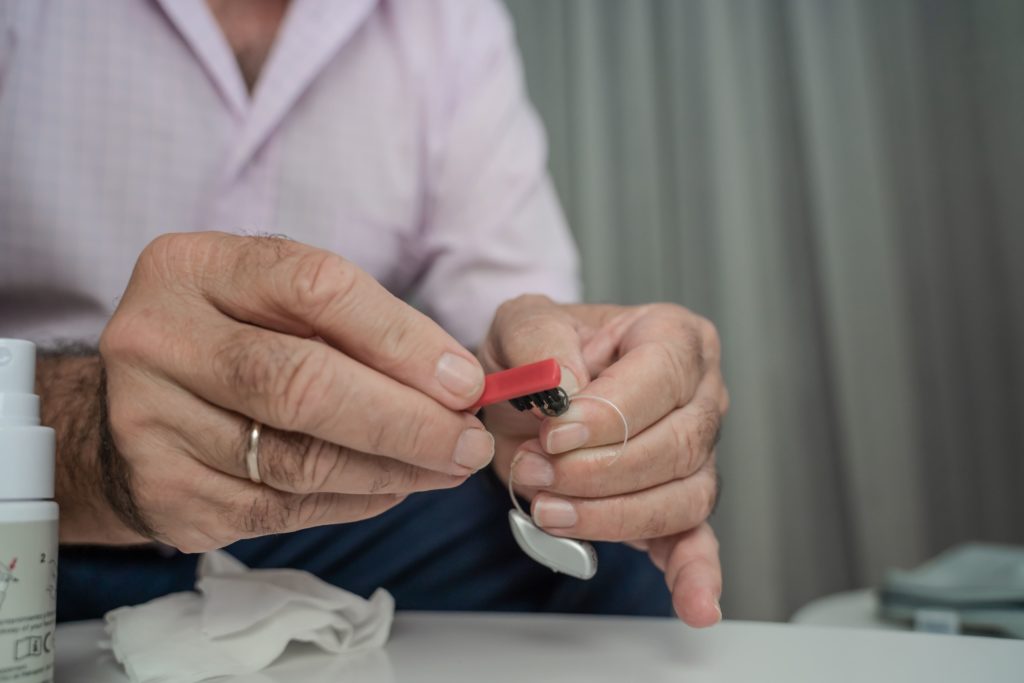
Private audiologists tend to provide more comprehensive aftercare, often including:
- Regular hearing tests – at Zest Hearing Care we provide annual appointments as standard, but are always happy to see you more often if needed!
- Fine-tuning of hearing aids to suit any changes in your hearing or hearing needs, meaning that your hearing aids will keep working well for as long as possible.
- Expert support and advice to get the most out of your device.
- Replacement parts such as rubber domes or wax filters, keeping your hearing aids clean and comfortable
- Ear wax removal is offered by some hearing aid providers as part of the purchase price of the hearing aids. If you know that you suffer from frequent build ups of wax it is worth checking with your chosen provider if this is included or whether there are additional costs for this service.
NHS Hearing Aids
Aftercare services such as hearing aid adjustments, repairs or replacement batteries are available on the NHS and typically come at no extra cost. However, these are generally not offered as standard and must be requested when required.
Which Option Should You Choose?
Deciding between private and NHS hearing aids ultimately depends on your preferences, budget, and level of hearing loss. If you’re looking for hearing aids without incurring costs, NHS options are an excellent choice for straightforward hearing needs. However, if you value advanced technology, the flexibility of style choices, rapid access to care, or a more personalised service, private hearing aids are certainly worth the investment.
Take Control of Your Hearing Today
Getting the right hearing aid can make a world of difference in your daily life. Whether you choose NHS or private options, the key is to address hearing loss proactively to improve your quality of life.
If you’re considering private hearing aids but aren’t sure where to start, find out more about our hearing aids here, or get in touch with us today and let us help guide you through the process. Our expert audiologists can assess your unique needs, explain your options, and ensure that you obtain the best hearing solution for you.